


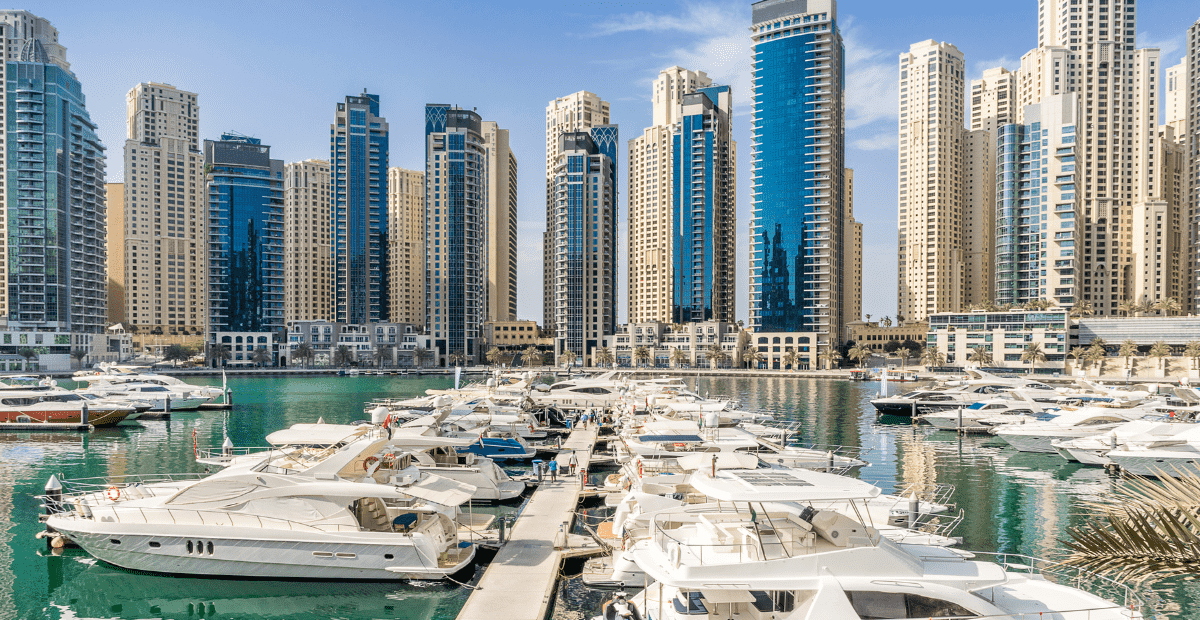
5 Key Takeaways
- Modern boaters expect the same frictionless, hotel-like experience they get from airlines and luxury resorts: real-time online reservations, instant digital confirmations, contactless payments, and proactive communication are now the baseline, not a differentiator.
- Beyond the digital journey, boaters expect well-maintained, reliable on-site facilities, clean restrooms and shower blocks, dependable power and water hookups, fast fueling, and strong Wi-Fi, these are all the non-negotiables that determine whether a guest returns or leaves a negative review.
- Communication is one of the most critical marina guest expectations: 65% of marina customers expect real-time updates during booking and service interactions, and marinas that go silent between reservation and arrival are already losing the experience before the boater sets foot on the dock.
- A growing segment of boaters, younger, more digitally active, and more environmentally conscious, is reshaping marina guest expectations by demanding sustainability credentials, community events, and social experiences alongside the traditional boating fundamentals.
- Marinas that understand what boaters expect are better positioned to prioritize the right investments: operators who align their facilities, technology, and staff culture with evolving expectations consistently see higher slip renewal rates, stronger online reviews, and greater long-term occupancy.
What boaters expect from marinas has changed significantly over the last decade. Guests no longer compare marina experiences only with neighbouring harbours or yacht clubs. Today, they compare them with hotels, airlines, restaurants, and every other service experience they encounter in their day to day lives.
For marina operators, understanding what boaters expect from marinas is becoming increasingly important. Customer experience now plays a major role in occupancy levels, visitor retention, online reviews, and long term profitability.
Modern boaters expect convenience, reliability, communication, and a professional experience from the moment they begin researching a destination to the moment they cast off. This shift in expectations is central to understanding what boaters expect from marinas today.
At the same time, operators are balancing rising operational pressures, staffing challenges, sustainability targets, and the need to modernise legacy systems. The marinas that continue to thrive are the ones that understand how guest expectations are evolving and are prepared to adapt.
Changing Expectations of Boaters
Historically, marina choice was often driven primarily by location, berth availability, or proximity to cruising routes. While those factors still matter, they are no longer enough on their own.
Today’s boating customers expect marinas to deliver a professional and well organised experience across every stage of their journey. From the first online enquiry through to arrival, departure, and ongoing communication, customers are increasingly judging marinas on convenience, responsiveness, and overall experience rather than simply location alone.
This shift is important for operators because customer expectations now directly influence occupancy rates, berth renewals, visitor recommendations, and online reputation. A marina that feels difficult to deal with or operationally disorganised can quickly lose business to competitors offering a smoother experience.
The rise of online booking platforms, mobile payments, real time travel updates, and instant customer service across other industries has influenced what boaters expect from marinas. Many guests now assume they should be able to check berth availability online, make reservations digitally, receive instant confirmations, communicate easily with marina staff, access information before arrival, pay quickly and securely, and receive updates during their stay.
For many operators, the challenge is not simply adding technology. The real value comes from creating a consistent operational experience that supports marina teams, reduces administrative pressure, and improves communication with customers at every stage of the journey.
Guest expectations also vary across different demographics. Younger and first time boaters often prioritise convenience, digital access, social experiences, and sustainability more heavily than traditional boating audiences.
At the same time, experienced long term berth holders still place enormous value on reliability, trust, professionalism, and personal relationships with marina teams. This is at the heart of what boaters expect from marinas in a modern boating environment.
Core Amenities and Services Boaters Expect
When considering what boaters expect from marinas, physical facilities and operational standards remain fundamental. Modern marina customers are looking for far more than a berth alone. Whether they are visiting for a single night or holding an annual contract, boaters increasingly expect marinas to operate with the same professionalism, reliability, and convenience they experience in other areas of travel and hospitality.
For operators, this means customer experience is no longer shaped by one interaction or facility in isolation. Instead, customers judge the overall experience through a combination of operational efficiency, communication, maintenance standards, staff responsiveness, and digital convenience.
Long term berth holders in particular often build strong relationships with marina teams and expect consistency throughout the year. Delays with invoicing, poor communication around maintenance work, or recurring operational issues can slowly damage trust over time, even if the physical facilities themselves are strong.
At the same time, transient visitors are often making fast decisions based on convenience, online reviews, booking experience, and arrival support. Their experience can directly influence future bookings, recommendations, and public reviews.
As a result, marinas are increasingly reviewing how operational systems, customer service processes, and technology all work together to support a smoother customer experience.
While digital transformation is important, the physical marina experience remains central to customer satisfaction.
Technology plays an increasingly important role in improving marina operations and customer experience, but it works best when supported by reliable facilities, dependable utilities, and consistently high operational standards.
When discussing what boaters expect from marinas, there are several core operational standards that continue to shape customer perception.
Clean and Well Maintained Facilities
Cleanliness remains one of the strongest indicators of overall marina quality because it shapes customer perception immediately upon arrival. Guests notice the condition of washrooms, shower blocks, pontoons, refuse areas, and communal spaces within minutes, and those first impressions often influence how they view the entire operation.
Poorly maintained facilities can quickly damage trust and lead to negative reviews, even if the marina performs well in other areas. In contrast, consistently clean and organised facilities help customers feel confident that the marina is professionally managed and attentive to detail.

For marina teams, maintaining these standards also helps reduce reactive complaints and operational issues. Regular inspections, preventative maintenance schedules, and clearly structured processes create a more manageable day to day environment while improving the overall customer experience.
Reliable Utilities and Infrastructure
Dependable shore power, fresh water access, fuelling services, and Wi Fi connectivity are now considered basic expectations rather than premium extras.
Connectivity is particularly important for liveaboard customers, remote workers, and younger cruising audiences who expect stable internet access throughout their stay. For long term berth holders, reliable utilities become even more important because repeated disruptions can directly impact day to day use of their vessel.
When power outages, faulty pedestal connections, water supply interruptions, or fuel delays occur regularly, frustration quickly builds and customer confidence can decline. These issues also place additional pressure on marina teams who must spend valuable time responding reactively to complaints and service interruptions.
This is one reason many operators are placing greater focus on operational visibility and preventative management. Better tracking of maintenance schedules, utility usage, fuel operations, and service records allows teams to identify issues earlier and respond more efficiently before they escalate into larger customer frustrations.
Platforms such as EliteMarinas help operators centralise these operational workflows, giving teams clearer oversight of maintenance activity, berth services, invoicing, customer records, and utility management within one connected system.
Efficient Arrival and Departure Experiences
First impressions have a lasting impact on customer satisfaction, particularly for transient visitors arriving after a long passage or travelling during busy seasonal periods.
Boaters increasingly expect arrival procedures to be organised, responsive, and easy to navigate. Confusion around berth allocation or poor communication before arrival can immediately create stress and frustration before the customer has even settled into the marina.
When arrivals are handled efficiently, customers feel more confident and supported from the outset. At the same time, streamlined processes help marina teams reduce congestion, minimise errors, and manage busy periods more effectively.
Simple operational improvements such as digital confirmations, berth maps, automated instructions, and clearer communication can significantly improve the guest experience.
This is one reason many operators are reviewing how marina management systems support customer interactions, berth management, and operational visibility.
Safety and Security
Security remains one of the most important considerations for berth holders and transient visitors alike. Guests expect well lit pontoons and walkways, controlled access systems, CCTV coverage where appropriate, visible staff presence, clear emergency procedures, and reliable marina operations during adverse weather. Trust plays a major role in long term customer loyalty, particularly for annual berth holders leaving valuable vessels unattended.
The Role of Communication and Service
Communication is becoming one of the defining factors in what boaters expect from marinas. Guests increasingly expect timely updates, responsive staff, and clear information throughout the customer journey. Research across the hospitality and leisure sectors consistently shows that communication quality has a direct impact on customer satisfaction and repeat business. For marinas, this applies before arrival, during a stay, and after departure.
Pre Arrival Communication
Many marina experiences are won or lost before the guest even arrives. Boaters want confidence that their booking has been received, their berth is ready, and arrival instructions are clear.
Modern customers often expect instant booking confirmations, arrival guidance, berth allocation information, contact details for marina teams, weather or tidal updates where relevant, and fuel or service availability information. When communication is inconsistent or delayed, uncertainty increases and customer confidence falls.
Responsive On Site Service
Technology plays an important role in modern marina operations, but the human element remains an influence on customer satisfaction.
Friendly, knowledgeable marina staff continue to shape guest experiences because direct interactions are often what customers remember. Whether assisting with berthing, resolving issues, or helping visitors navigate local services, responsive staff can quickly turn a stressful situation into a positive experience.
Strong communication and operational visibility also help marina teams perform more effectively. When staff can access accurate booking information, customer records, and operational updates quickly, they are better equipped to provide efficient and professional service.
Customers value teams who are approachable, proactive, and capable of solving problems efficiently. Whether assisting with berthing, answering technical questions, or helping visiting boaters navigate local services, staff interactions strongly influence how guests perceive the marina overall.
Consistency Across the Customer Journey
One of the biggest frustrations for customers often comes from inconsistency rather than a single operational issue. A marina may offer excellent facilities, but if communication changes between departments, invoices contain errors, or customers need to repeat information multiple times, confidence in the operation can quickly decline.
Long term berth holders especially expect marina teams to have visibility over their account history, vessel information, previous maintenance requests, and ongoing communication without needing to start from scratch each time they interact with the business.
For marina teams, disconnected systems can create unnecessary duplication of work and increase the likelihood of operational mistakes. Manual processes, spreadsheets, and fragmented booking systems often slow down response times and make it harder for teams to deliver a consistently professional customer experience.
One common challenge for operators is maintaining consistent communication across departments and systems. If berth bookings, customer records, invoices, fuel management, and operational updates are disconnected, communication gaps become more likely.
Many marinas are therefore looking at ways to improve operational visibility and centralise information so teams can respond faster and provide a more consistent guest experience.
Solutions such as the EliteMarinas marina management platform are designed to help operators streamline booking workflows, customer communication, berth management, invoicing, and fuel operations within a single operational environment.
Digital Expectations in Modern Marinas
Digital expectations within the marina industry are evolving rapidly because customer behaviour has changed significantly over recent years. Boaters are increasingly accustomed to managing travel, accommodation, payments, bookings, and communication through digital platforms, and they now expect marinas to provide the same level of accessibility and convenience.
For marina operators, digital transformation is no longer simply about introducing new technology for the sake of innovation. The real goal is creating smoother operational processes that reduce friction for both customers and marina teams.
Many operators are now recognising that digital tools can improve far more than booking efficiency alone. Better operational systems can strengthen communication, improve occupancy management, reduce administrative workload, support finance teams, and create stronger visibility across the entire business.
This becomes increasingly important as marinas grow, expand across multiple locations, or diversify services into boatyard operations, dry stack management, fuel sales, events, hospitality, and memberships.
EliteMarinas has been designed specifically around these operational challenges, bringing together berth management, bookings, finance, maintenance, CRM, fuel operations, customer communication, and reporting within one connected platform powered by Microsoft Dynamics 365.
Digital convenience is now a major part of what boaters expect from marinas because customers increasingly compare marina experiences with the wider travel and hospitality industries.
Guests expect the same frictionless experience they receive from hotels, airlines, and other service providers. Slow response times, manual booking processes, or unclear payment systems can create unnecessary frustration and may influence whether a customer returns in the future.
For marina businesses, improving digital processes is not only about customer convenience. Better systems can also improve operational efficiency, reduce repetitive administrative work for staff, and provide greater visibility across bookings, occupancy, and customer communication.
For many marina operators, digital transformation is no longer simply about efficiency. It is becoming essential for competitiveness as customer expectations around convenience, communication, and responsiveness continue to rise.
Online Reservations and Availability
Real time berth availability and online reservations are rapidly becoming standard expectations. Many customers now prefer to research destinations, compare options, and secure bookings online without relying entirely on phone or email communication. For transient visitors, the booking process itself often shapes first impressions before they have even arrived on site.
Long term berth holders are also becoming more digitally engaged. Customers increasingly expect easier access to account information, renewals, invoices, service updates, and booking history through connected systems rather than relying entirely on manual communication.
Digital booking systems can help marinas reduce administrative workload, improve berth utilisation, minimise booking conflicts, improve visibility across teams, and capture customer data more accurately. This allows marina staff to spend less time managing repetitive admin and more time supporting customers directly.
EliteMarinas supports live booking workflows, berth management, customer communication, and operational visibility through one connected marina management platform, helping operators maintain a smoother experience across both transient and long term customer journeys.
Contactless Payments and Faster Transactions
Customers increasingly expect fast, secure payment experiences. Digital invoicing, online payments, and contactless transactions help reduce delays and improve operational efficiency for both staff and guests. This becomes particularly valuable during busy seasonal periods when reception teams are under pressure.
Mobile Access and Self Service Information
Many boaters now expect to access information through mobile devices during their journey. This may include booking confirmations, marina maps, utility information, service requests, gate access instructions, weather information, fuel availability, and departure procedures.
Providing easier access to information reduces operational bottlenecks while improving customer confidence. The EliteMarinas customer app allows boaters to access key marina information from their mobile device, helping streamline communication between customers and marina teams while reducing the need for manual enquiries and reception based administration. This creates a smoother experience for both transient visitors and long term berth holders, while helping marina staff respond more efficiently during busy operational periods.
Online Reputation and Reviews
Online reviews now play a significant role in marina selection because many customers research destinations extensively before making a booking.
Before choosing a marina, boaters frequently compare reviews relating to cleanliness, staff responsiveness, facilities, ease of booking, and overall customer experience. Positive reviews help build trust and encourage new visitors, while repeated complaints around communication or maintenance can quickly influence perception.
For operators, reputation management is becoming closely tied to operational consistency. Marinas that communicate clearly, maintain high standards, and resolve issues efficiently are more likely to generate positive feedback and strengthen long term customer loyalty.
A strong digital reputation can directly influence occupancy and visitor traffic, while unresolved customer frustrations can quickly become visible publicly. This makes operational consistency, communication, and service quality even more important for marinas looking to strengthen customer trust and retention.
Sustainability and Lifestyle Expectations
Another major shift in what boaters expect from marinas involves sustainability and community. A growing segment of customers, particularly younger boaters and environmentally conscious travellers, now actively consider environmental responsibility when choosing where to berth.
Customers increasingly value operators who demonstrate visible efforts to improve environmental performance. This may include waste reduction initiatives, recycling facilities, sustainable fuel practices, water quality management, energy efficiency improvements, environmental certifications, and electric charging infrastructure.
Beyond sustainability, many guests also value marinas that create a sense of community and destination appeal. Events, social spaces, local partnerships, and lifestyle experiences can all strengthen customer loyalty and encourage repeat visits. For destination marinas especially, the wider experience around the berth is becoming increasingly important.
How Marinas Can Meet Evolving Expectations
Meeting modern customer expectations requires more than simply adding new facilities or implementing isolated pieces of technology. The most successful marinas are increasingly those that create joined up operational experiences where customer communication, marina services, finance, maintenance, bookings, and staff workflows all work together efficiently.
This is particularly important as marina businesses become more operationally complex. Many operators are now managing a mix of transient bookings, annual berth contracts, fuel sales, maintenance operations, dry stack services, events, hospitality offerings, and customer memberships simultaneously.
Without strong operational visibility, teams can quickly become overwhelmed by disconnected systems, duplicated administration, and inconsistent customer communication.
Modern marina management platforms are helping operators centralise these processes so teams can work more efficiently while maintaining stronger customer service standards.
EliteMarinas was developed specifically for marina environments and is built on Microsoft Dynamics 365, allowing operators to manage berth occupancy, finance, customer records, fuel operations, maintenance activity, reporting, and communication within one connected operational platform.
Understanding what boaters expect from marinas is only the first step. The bigger challenge for operators is identifying which improvements will have the greatest impact on customer experience, staff efficiency, and long term business performance.
Customer expectations will continue to evolve, particularly as digital convenience and service standards continue to rise across the wider leisure and hospitality sectors. Marinas that fail to adapt may find it increasingly difficult to maintain occupancy, retain berth holders, and compete for transient visitors.
At the same time, operators are often managing limited resources, ageing infrastructure, and growing administrative demands. This is why many marinas are focusing on operational improvements that support both the customer experience and internal team efficiency.
The strongest performing marinas are typically those that align reliable facilities and infrastructure, a strong customer service culture, and modern operational systems and communication together.
Importantly, meeting guest expectations does not always require large scale redevelopment projects. In many cases, operational visibility, clearer communication, better staff workflows, and more efficient management systems can significantly improve the customer experience while also reducing pressure on marina teams.
Marina operators increasingly need tools that help them manage berth occupancy, customer records, bookings and reservations, fuel operations, invoicing and payments, customer communication, and reporting and operational visibility.
As customer expectations continue to rise, disconnected manual processes become harder to sustain. This is why many operators are reviewing marina management software as part of broader customer experience improvements, particularly where operational visibility and communication have become difficult to manage across multiple systems. Platforms like EliteMarinas are designed specifically for marina environments, helping operators simplify day to day management while supporting a more professional and responsive guest experience.
Boaters remember how a marina made them feel, and that experience is shaped by every interaction throughout their stay. A well organised arrival, proactive communication, clean facilities, responsive staff, and reliable operations all contribute to customer trust and long term loyalty.
Marinas that continue to adapt to changing expectations are far better positioned to improve occupancy, strengthen reviews, and retain customers over time.
Find Out How to Your Marina Can Keep Up With Modern Boats Expectations
How do boater expectations differ between transient visitors and long term slip holders?
Transient visitors often prioritise convenience, booking flexibility, arrival communication, and short term amenities such as fuel access, Wi Fi, and local facilities. Long term berth holders typically place greater emphasis on reliability, security, trust in marina management, and consistency of service over time.
What do younger and first time boaters prioritise differently compared to traditional boaters?
Younger and first time boaters are generally more digitally focused. They often expect online booking, mobile friendly communication, contactless payments, and stronger sustainability practices. Many also value social experiences, events, and destination lifestyle offerings alongside traditional marina services.
How much does a marina’s sustainability credentials influence a boater’s choice?
Sustainability is becoming increasingly influential, particularly among younger and environmentally conscious boating audiences. While location and facilities still remain primary decision factors, visible environmental initiatives and responsible operational practices can positively influence customer perception and loyalty.
Do boaters read online reviews before choosing a marina?
Yes. Online reviews are now a major part of marina research and decision making. Boaters frequently compare reviews relating to cleanliness, customer service, booking experiences, security, and facility quality before selecting a marina.
What is the most common reason boaters switch from one marina to another?
Poor communication, inconsistent service, deteriorating facilities, and operational frustration are among the most common reasons customers leave. In many cases, guests are willing to pay higher rates elsewhere if they feel the overall experience is more organised, reliable, and professional. With EliteMarinas, you can avoid all of that by improving operational visibility, streamlining customer communication, centralising marina management processes, and giving your team the tools needed to deliver a more consistent and professional customer experience across every stage of the customer journey.